FTMO Challenge Pass Rates: What the Evidence Shows
Material update: Removed unsupported pass-rate and causation claims, corrected product-specific rules, and replaced guaranteed software/pass-service claims with accurate limits.
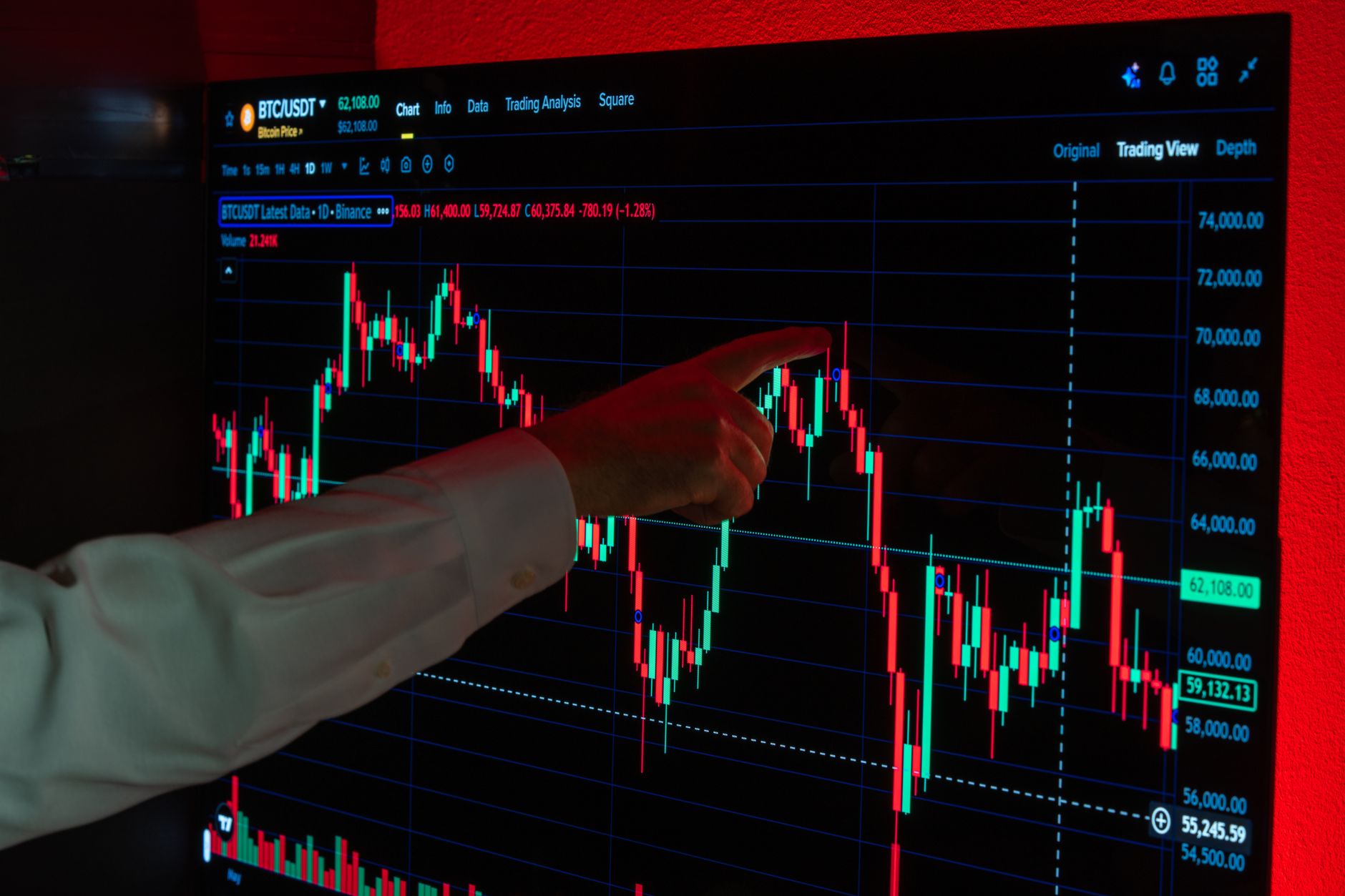
An FTMO Challenge pass rate needs a defined dataset: which product, which period, how many evaluation attempts and how many completed that same stage. We have not located an official dataset supporting the roughly 10% figure previously used on this page. That estimate has been removed.
What an FTMO pass-rate statistic would need to show
A count of funded traders or total rewards cannot answer how many Challenge attempts pass. One person can make several attempts, products can have different stages, and a completed first evaluation is not the same outcome as completing Verification or receiving a first reward.
- State whether the denominator is unique people, purchased attempts or completed attempts.
- Name the product and account phase.
- Give the observation dates and allow enough time for open attempts to finish.
- Separate withdrawals, refunds, disqualifications and incomplete attempts.
- Link the original dataset and its method.
A worked example illustrates the arithmetic only: if an invented sample contains 100 completed attempts and 12 successes, its completion rate is 12%. Those numbers are hypothetical, not FTMO statistics. If another 50 attempts are still open, they must be reported separately rather than silently counted as failures.
Current rules depend on the FTMO product
This section concerns FTMO's CFD evaluation products. It does not describe a separate futures programme.
Official sources checked on 3 October 2026: the 2-Step product page lists a 10% Challenge target, a 5% Verification target, 5% Maximum Daily Loss, 10% Maximum Loss and four minimum trading days in each evaluation phase. These are product objectives, not a trader success rate.
The Trading Objectives distinguish the 1-Step product: its daily loss amount is 3% of initial simulated capital and its maximum-loss limit trails specified end-of-day balances. Its Best Day Rule caps the best day at 50% of positive days' profit. Exceeding that ratio means further qualifying profit is needed; the source does not call that ratio alone an account breach. Do not apply these 1-Step conditions indiscriminately to 2-Step.
FTMO's consistency FAQ directs readers to the stated objectives and says there are no additional consistency requirements with sustainable risk management. Read the current full conditions for the product and stage you select.
A useful risk-control check without predicting a pass
Use a modelled example to check your arithmetic, then verify it against the selected objective. For a hypothetical $100,000 2-Step account on its first day, a 5% daily loss amount is $5,000. An internal stop below the firm's limit can leave room for costs and execution differences, but its appropriate size depends on the trading process.
Compare account equity, open positions, commissions, swaps and the reset time with the firm's formula. A balance-only alert can miss an open loss. Re-run the check around the daily reset, after closing trades and with several positions open. A journal or automated control can help track those cases, but a backtest, alert or close command does not assure that losses will remain within a rule during every execution event.
What software and JPTC results can establish
JPTC develops trading software and hosts its own algo. Customers of that hosted algo install nothing, run nothing and need no VPS. Before using any separate tool with a prop firm, confirm the current automation policy and test its actual configuration against the chosen account conditions. Neither software nor a preparation service guarantees passing.
Our research methodology explains the scope of software validation. JPTC monthly figures come from broker statements; the broker's account page is not an independent audit or an FTMO pass-rate dataset.
Questions about FTMO statistics
Is the FTMO pass rate 10%?
This page cannot substantiate that percentage from an official dataset with a period, denominator and method. It should not be treated as an observed FTMO statistic.
Does passing a Free Trial qualify for an FTMO Account?
No. FTMO's starting guide distinguishes practice from the selected evaluation route.
Can an EA guarantee passing?
No. Execution, strategy losses, configuration and the firm's current rules all matter. A risk-control feature is not a guarantee of an account outcome.
Related Articles
- Best Trading Signals Providers in 2026: Automated or Manual? · Read more →
- Best XAUUSD Strategy: Real 2026 Trading Secrets · Read more →
- Are Trading Signals Legit in 2026? Tested Truth · Read more →
- FTMO Max Allocation: Your Ultimate 2026 Guide · Read more →
- Pass Your Prop Firm Evaluation: Real Timelines & How Long It Takes · Read more →
- Best Trading Robots 2026: Hosted Algos & Prop Firm EAs · Read more →
- Best XAUUSD Telegram Channels 2026: Signals & Prop Firm Trading · Read more →
- FTMO Expert Advisors 2026: Exact Rules for Automated Trading Success · Read more →
- Boost Trading Success: Real MT4 Experts for Prop Firms & Beyond · Read more →
- Real Forex Signal Copying: Your Guide to Automated Trading Success [2026] · Read more →
The EA built for prop firm rules
Daily drawdown guard, hard max-loss stop, consistency-aware pacing and a news pause, on MT4 and MT5. One-time €797, no monthly fee. If you would rather not run the evaluation yourself, we run it for you.
See the EA Hub